
OFFSET VS. DIGITAL PRINTING: HOW TO CHOOSE AND NOT OVERPAY?
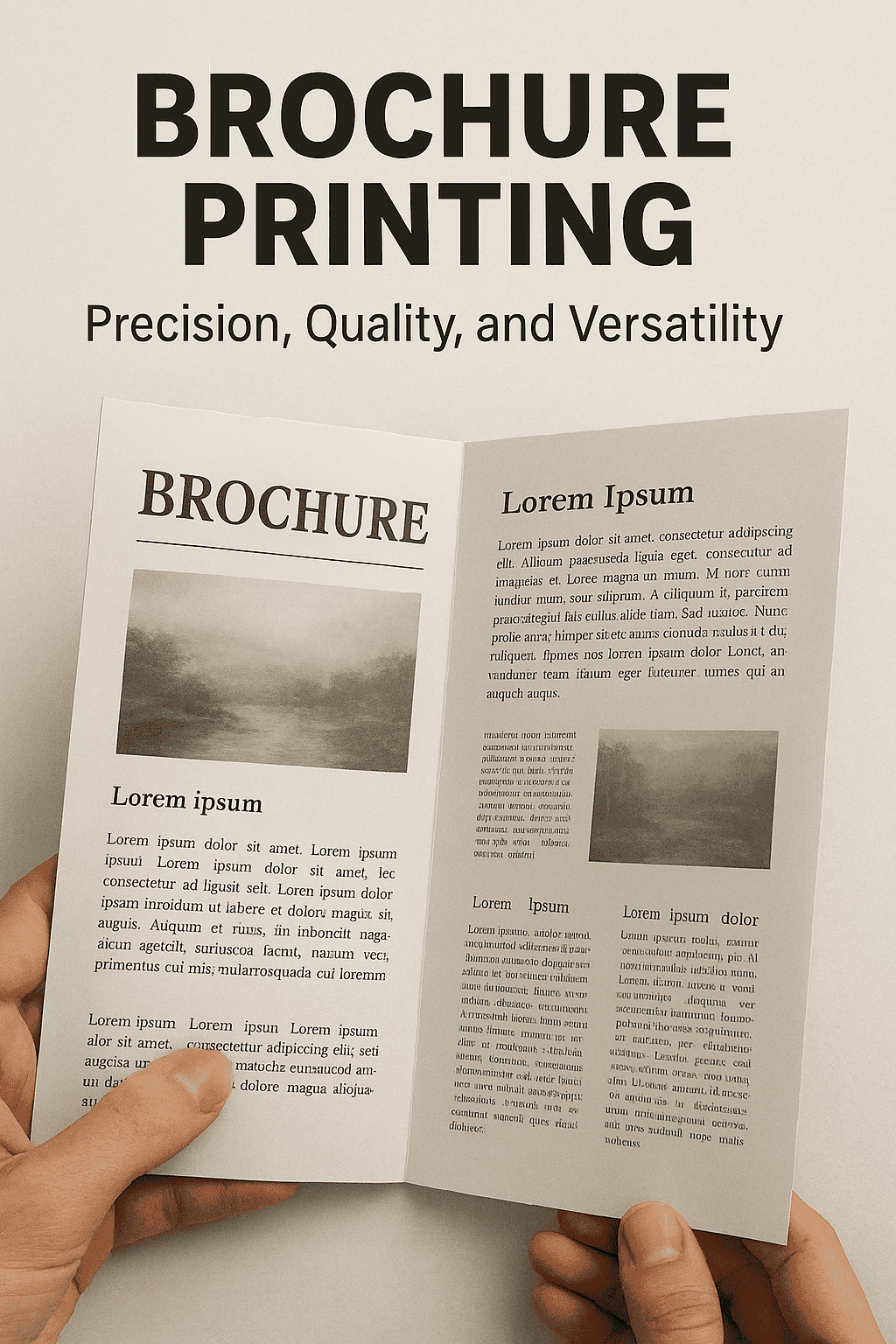
For many businesses, ordering printing still conjures up images of huge quantities, full warehouses, and the fear of getting into a situation that will cost thousands to rectify. However, modern technology has changed the rules of the game. Today, the main question is not "which is cheaper per unit?" but "which printing method will help you save money in the end?"
In this article, we will review the key differences between digital and offset printing and explain why TUKa's print-on-demand model is the most beneficial for your budget.
What are offset and digital printing?
To understand the difference in price, we first need to understand the printing process.
Offset printing is a traditional method where the image is transferred from metal plates to rubber rollers and then onto paper. This mechanical process is complex, requires lengthy preparation, and uses thousands of liters of water and ink to balance the system.
Digital printing is a direct printing method. Your prepared file travels directly from your computer to the printing machine. No plates or lengthy settings are required. This is why digital printing is unbeatable for small print runs.
3 reasons to choose digital printing (and save money!)
1. No money tied up in inventory.
Offset printing has one characteristic: the more you print, the lower the unit price. This often tempts businesses to order 5,000 brochures when they only need 200–400. The remaining brochures sit in the warehouse until the information becomes outdated (prices, contacts, or brand change), and eventually they end up in the recycling bin. Save money with TUKa – we only print what you need. You pay for the product, not for storage space.
2. Personalization – your competitive advantage
Digital printing technology enables variable data printing (VDP). In other words, each magazine, catalog, or postcard can be tailored to a specific customer with their name or a unique offer. This is not possible with offset printing – all 5,000 copies must be identical.
3. Speed: from idea to product in 24 hours
Offset printing can take several days to prepare. Digital printing allows you to receive your order on the same or the next day. In the business world, time is money, and fast printing allows you to respond more quickly to market changes.
When to choose which method?
If you are still unsure, this table will help you decide.
|
Feature |
Digital printing (TUKa) |
Offset printing |
|
Best price |
For small and medium print runs |
Only for very large print runs |
|
Error correction |
Possible after the first copy |
Not possible (new forms are required after changing the file) |
|
Print run flexibility |
1, 10, 100, or 500 copies |
From 1,000 to 2,000 copies |
|
Production time |
Very fast (1–5 days) |
Average (5–10 days) |
TUKa – your printing partner
We represent a modern approach. "Tuka – printing on demand" is not just a slogan. It is a way to help your business become more sustainable and efficient.
We reduce waste: we only print what will be used.
We save your budget: low initial costs allow you to invest the remaining money in advertising or product development.
Highest quality: we use the latest generation of digital machines, which are on par with offset in terms of color reproduction.
Expert advice: before ordering a large print run, ask yourself: "Will this information still be relevant in 6 months?" If the answer is "no," choose digital.
Want to know how much your print run will cost?
Contact us today!
+370 611 229 65